Mounjaro and Gallbladder Issues: The Link Explained
If you’re considering or already using Mounjaro for weight loss, you may have heard concerns about its potential effects on the gallbladder. Understanding this connection is important for making informed decisions about your treatment and recognising when to seek medical advice.
The relationship between Mounjaro (tirzepatide) and gallbladder problems stems from how this medication works in your body. Like other weight loss medications in its class, Mounjaro can affect the normal functioning of your gallbladder, potentially increasing the risk of developing gallstones and related complications.
How Mounjaro Affects Your Gallbladder
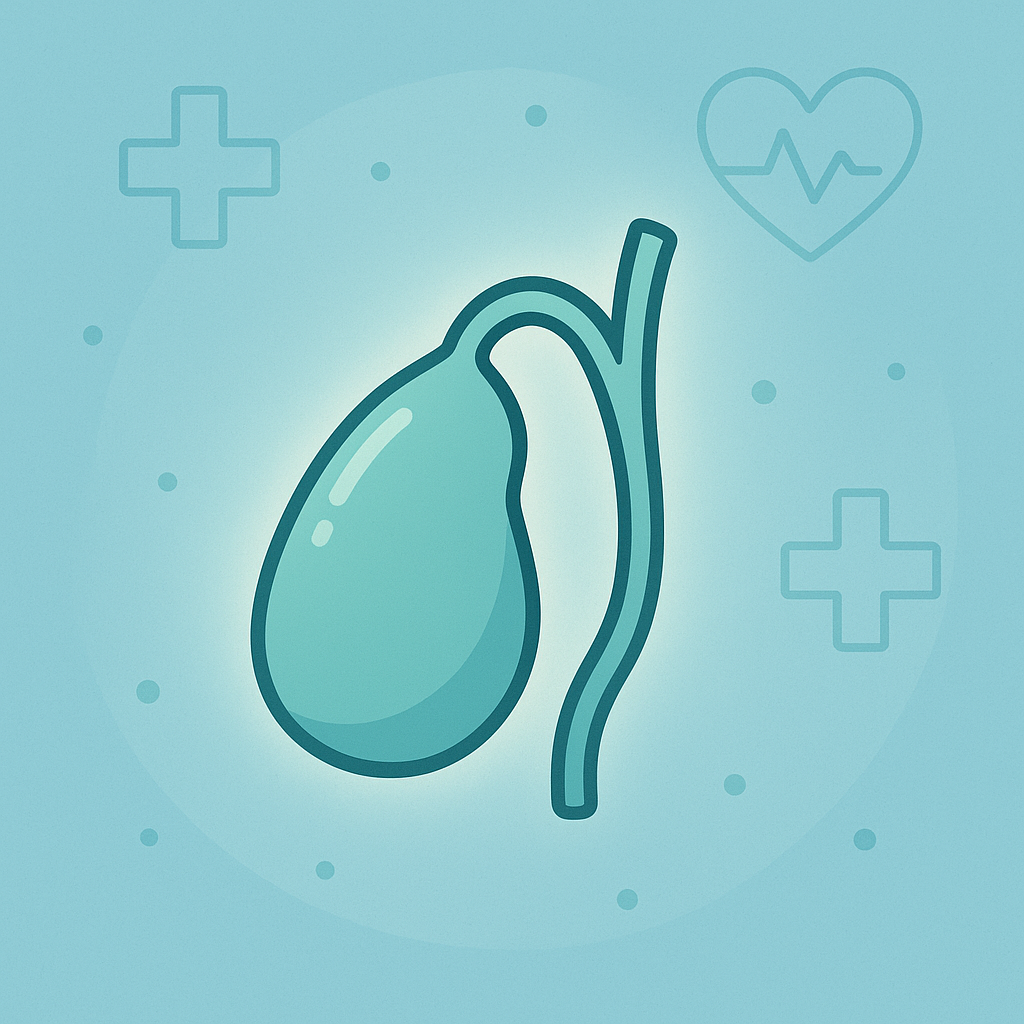
Mounjaro works by mimicking hormones called GLP-1 and GIP, which help regulate blood sugar and appetite. These hormones can also influence how your gallbladder functions. The gallbladder is a small pouch beneath your liver that stores bile, a substance essential for digesting fats.
When you eat, your body releases a hormone called cholecystokinin (CCK), which signals your gallbladder to contract and release bile into your digestive system. Mounjaro may reduce gallbladder motility—essentially, it slows down how efficiently your gallbladder empties.
This slower bile flow creates conditions that favour gallstone formation. As bile sits longer in the gallbladder, it can become more concentrated and “sludgy,” making it easier for cholesterol crystals to form and develop into gallstones. Research suggests this mechanism may affect a proportion of people taking these types of medications.
The Research Behind the Risk
Multiple studies have examined the link between GLP-1–based medicines and gallbladder problems. A large systematic review found that people taking GLP-1 receptor agonists had a higher risk of gallbladder or biliary disease compared with those not taking them.
The risk appears to be dose-dependent and related to treatment duration. Higher doses and use beyond six months were associated with stronger links to gallbladder problems. When these medicines are used specifically for weight loss, the risk may be higher than when used for diabetes management.
For tirzepatide specifically, results have been mixed. Some trials did not show a significant increase in gallstone risk compared with placebo, while others identified increased risk at certain doses. Overall, the relationship likely depends on dose, duration, and individual risk factors.
Expert Insights on Gallbladder Risks
Clinicians have reported seeing more gallbladder issues among people using weight loss injections. The suggested mechanism is that these injections slow the flow of bile through the gallbladder and delay emptying by suppressing the release of hormones that control it.
According to NHS guidance, most gallstones don’t cause symptoms—many people may never know they have them. However, when problems do occur, they can require urgent medical attention.
Real-World Patient Experiences
People taking Mounjaro report a range of experiences that may point to gallbladder irritation. Early signs can include discomfort in the upper right side of the abdomen, particularly after fatty meals, along with bloating or a sense of heaviness. Some users notice these symptoms several weeks into treatment, especially when weight loss is rapid.
One patient described symptoms that initially felt like indigestion but gradually became more intense and localised to the right side of the abdomen. This underlines the importance of not dismissing persistent digestive discomfort while on Mounjaro.
Understanding Your Risk Factors
Several factors can increase the likelihood of developing gallbladder problems while taking Mounjaro. Rapid weight loss itself is a significant risk factor, regardless of method. During quick weight loss, the liver releases extra cholesterol into bile and the gallbladder may not empty as efficiently.
Other risk factors include being female, thyroid disease, menopause, or a family history of gallstones. Pre-existing gallstones may become symptomatic after starting treatment. Age and a history of significant weight fluctuations can also raise risk. People with diabetes or other metabolic conditions may have increased susceptibility.
Recognising Warning Signs
Seek urgent medical advice if you develop sudden, severe pain in the upper right abdomen (which may spread to your back or shoulder), fever, yellowing of the skin or eyes (jaundice), persistent vomiting, or pain so intense that you cannot find a comfortable position. These could indicate complications such as gallbladder inflammation or bile-duct infection.
Biliary colic typically lasts at least 30 minutes and isn’t relieved by changing position or usual pain relief. If you’re unsure whether symptoms are serious, contact NHS 111 or your GP for advice.
Minimising Your Risk
There are practical steps you can take to lower risk whilst using Mounjaro. Aim for gradual, sustainable weight loss rather than rapid changes. Many people with gallbladder concerns are advised to keep weight loss steady to avoid triggering symptoms.
Follow a balanced, lower-fat diet to reduce the workload on your gallbladder. Focus on lean proteins, whole grains, fruit, and vegetables while limiting saturated fats from processed foods, fatty meats, and full-fat dairy. This supports weight loss and reduces the stimulus for strong gallbladder contractions.
Staying well hydrated and maintaining regular physical activity can support healthy digestion and gallbladder function. Build up exercise gradually and listen to your body as you adjust to medication.
Key Takeaways
- Mounjaro can affect gallbladder function by slowing bile flow and reducing gallbladder emptying, which may increase gallstone risk.
- Risk is influenced by dose and duration, with higher doses and longer treatment showing stronger associations.
- Rapid weight loss independently raises gallstone risk, regardless of how weight loss is achieved.
- Most gallstones cause no symptoms, but complications require prompt medical attention.
- Gradual weight loss and a lower-fat diet can help minimise risk whilst taking Mounjaro.
For pricing and availability, check our price comparison tool.
Sources
- Drug Safety Update: GLP-1 receptor agonists — Medicines and Healthcare products Regulatory Agency (MHRA)
- Gallstones: symptoms — NHS
- A practical guide to using medicines to manage overweight and obesity — NICE
- Association of GLP-1 Receptor Agonists With Gallbladder or Biliary Diseases: Systematic Review and Meta-analysis — JAMA Internal Medicine
- Safety of Tirzepatide: Evidence From Clinical Trials — National Library of Medicine (PMC)
- Effects of Liraglutide Compared With Placebo on Gallbladder Emptying — Diabetes Care
- GLP-1 and Gastrointestinal Motility: Mechanisms and Clinical Implications — National Library of Medicine (PMC)
- Dieting and Gallstones — National Institute of Diabetes and Digestive and Kidney Diseases (NIDDK)
- Dietary Advice for Gallbladder Disease — Milton Keynes University Hospital NHS Foundation Trust
- Acute cholecystitis — NHS