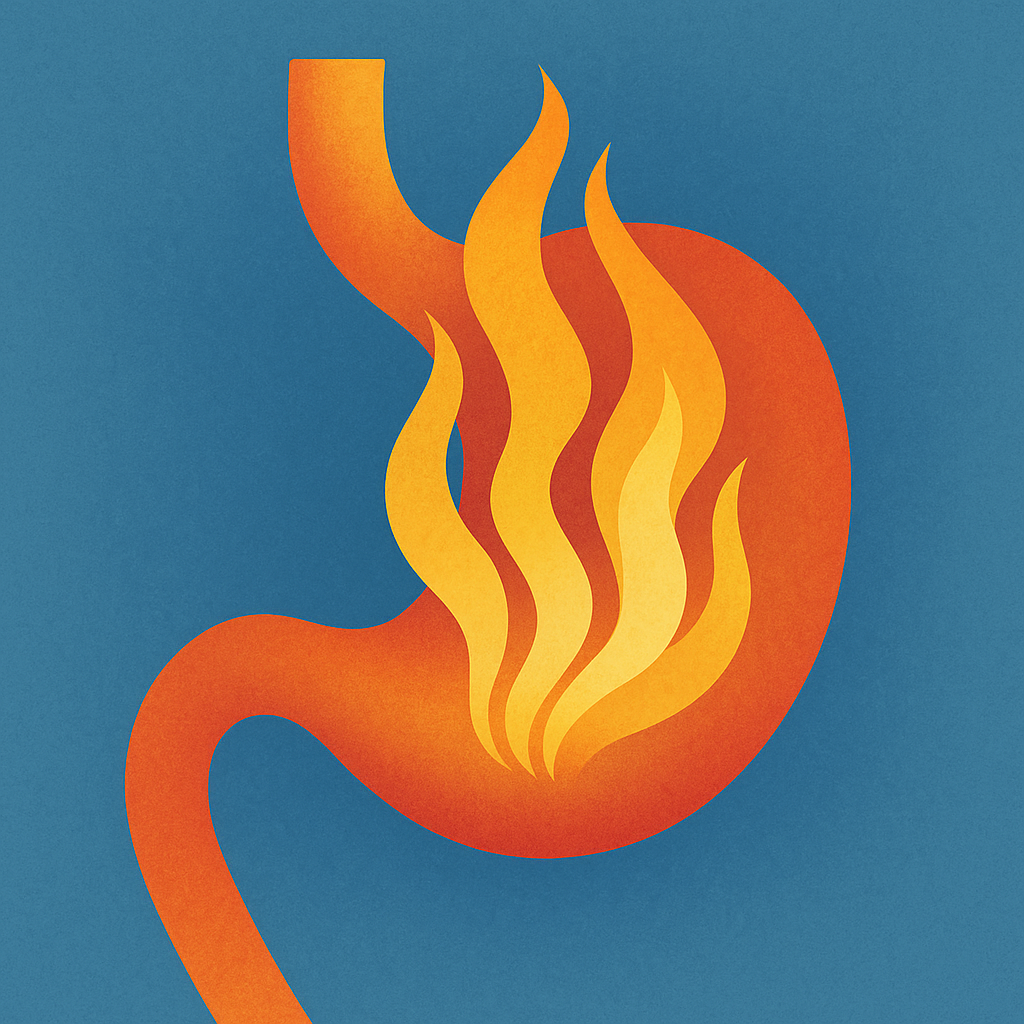
Mounjaro and Heartburn: What to Do
If you've started taking Mounjaro and noticed a burning sensation in your chest or an unpleasant taste rising from your stomach, you're not alone. Heartburn and acid reflux are among the more common side effects reported with this weight-loss medication. While these symptoms can be uncomfortable, they are usually manageable with a clear plan and a few practical changes.
Understanding Heartburn with Mounjaro
Heartburn happens when stomach acid flows back into the oesophagus, the tube that carries food from your mouth to your stomach. This causes a burning feeling behind the breastbone, often worse after eating or when lying down. You might also notice a sour taste in the mouth or frequent burping.
Mounjaro (tirzepatide) works by mimicking two hormones, GLP-1 and GIP, that help control blood sugar and appetite. One of its effects is to slow how quickly food leaves the stomach. When gastric emptying is delayed, food and acid spend longer in the stomach, which can increase the chance of reflux.
Clinical data suggest indigestion is relatively common and heartburn can affect roughly one in ten users. These symptoms are often more noticeable at the start of treatment or after a dose increase and tend to settle as the body adapts.
Why Does Mounjaro Cause Heartburn?
The link between Mounjaro and heartburn is largely due to its impact on the movement of food through the stomach and small bowel. By slowing gastric emptying, there is more opportunity for acid to move upwards into the oesophagus, particularly after larger meals. The medication may also influence the normal “house-keeping” waves that clear the stomach between meals, which can further contribute to reflux.
Research indicates these effects can be dose-dependent, with higher doses more likely to slow the gut. Some people develop a degree of tolerance over time, meaning symptoms often improve after the first few weeks.
Practical Steps to Manage Heartburn
Most people can reduce symptoms with small, sustainable changes to eating habits and daily routine.
Adjust how and when you eat
Eat smaller, more frequent meals rather than three large ones. Large portions stretch the stomach and make reflux more likely. A helpful rule of thumb is to stop eating when you feel about three-quarters full, allowing your stomach to empty more efficiently.
Avoid eating within three to four hours of bedtime and try not to lie down straight after meals. If you need to rest, sit upright. Raising the head of your bed by 10–20 centimetres can also reduce night-time symptoms.
Identify and limit triggers
Common culprits include spicy or fatty foods, coffee, alcohol, chocolate, tomato-based dishes and citrus fruits. Keeping a simple food diary for a couple of weeks can help you spot your personal triggers and plan around them.
Safe Treatment Options
Several over-the-counter options can provide relief while you fine-tune lifestyle changes.
Antacids and alginates
Antacids that neutralise stomach acid can give quick, short-term relief for occasional heartburn. Alginates (for example, products like Gaviscon Advance) form a protective raft that helps keep acid in the stomach; they work best after meals and before bed.
When PPIs are appropriate
If symptoms are frequent or persistent, your GP may suggest a proton pump inhibitor (PPI) such as omeprazole or lansoprazole. PPIs reduce acid production and are generally compatible with Mounjaro. For best effect, take them on an empty stomach around 30 minutes before breakfast.
When to Seek Professional Help
Most Mounjaro-related heartburn improves with time and simple measures. One UK patient put it this way: “The heartburn was quite uncomfortable for the first month, but once I learned to eat smaller meals and avoid my trigger foods, it became much more manageable. I'm glad I stuck with the treatment because the benefits have been worth it.”
Contact your GP or a pharmacist promptly if you need over-the-counter medicines every day, have pain that does not improve, develop difficulty swallowing, unexplained weight loss, vomiting, or signs of bleeding. Seek urgent advice if chest pain is severe, sudden or different from typical heartburn.
Specialists note that while reflux is a known side effect of GLP-1 medicines, most patients do well with dietary adjustments and, when needed, short courses of acid-suppressing treatment.
Living Well with Mounjaro
Experiencing heartburn does not necessarily mean you should stop Mounjaro if it is helping. Many people find symptoms settle as their body adapts, especially with smaller portions, earlier evening meals and attention to personal triggers.
Other practical tips include wearing looser clothing around the waist and stopping smoking, which can relax the valve at the top of the stomach. Gentle, regular activity such as walking supports digestion and weight management; avoid vigorous exercise straight after eating.
Key Takeaways
- Heartburn is a recognised side effect of Mounjaro and is linked to slower stomach emptying.
- Smaller meals, earlier dinners and avoiding trigger foods can make a noticeable difference.
- Antacids and alginates offer quick relief; PPIs from your GP can help persistent symptoms.
- Most people improve over the first few weeks as the body adapts to treatment.
For pricing and availability, check our price comparison tool.
Sources
- Heartburn and acid reflux — NHS
- Tirzepatide: discussion aid for healthcare professionals and patients — NICE
- Can Zepbound (tirzepatide) be used in patients with GERD? — Eli Lilly Medical Information
- Clinical Consequences of Delayed Gastric Emptying With GLP-1 Receptor Agonists — Journal of Clinical Endocrinology & Metabolism
- Tirzepatide-Induced Gastrointestinal Manifestations: A Systematic Review and Meta-analysis — PMC
- Acid reflux and oesophagitis: patient leaflet — West Suffolk NHS Foundation Trust
- Reflux and indigestion advice — Royal Papworth Hospital NHS Foundation Trust
- Diet Tips for Gastroesophageal Reflux Disease (GERD) — University of Virginia Health
- Heartburn and reflux — NHS 111 Wales
- GERD and lifestyle changes — American Gastroenterological Association